Episode 1: Political Activism & Film
Political Activism & Film — A conversation with independent film director Deandre Jackson
September 20, 2026 — Mzee Kambui, Abstract World Media
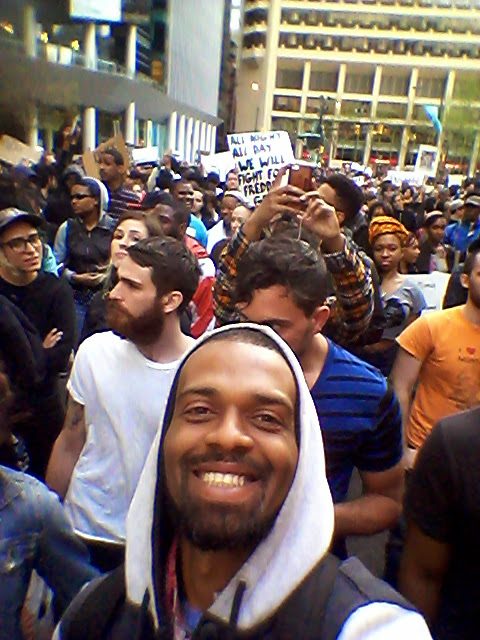
FL — When people hear the word “activism,” they often picture protests, marches, and boycotts. But activism takes many forms, each carrying its own message of concern — from environmental justice to civil rights and, at the center of this episode, politics.
In this episode, we explore how political activists use film to amplify their messages. For decades, film and television have provided powerful platforms to spotlight social issues such as human rights, civil rights, and the deeper forces behind political agendas.
Deandre Jackson is an independent film director with a Masters degree in Film, Jackson who is a Detroit native creates short films and produce and direct podcast, with a knowledge in film history Jackson gave his insight on how he felt about activism and politics in film and television and how movies shaped social movements.
Politics has long relied on media to sway public opinion, shape votes, and deploy propaganda aimed both at domestic audiences and foreign entities. Harvard University, for example, hosts a collection of mostly short independent films that highlight activism in communities around the world.
Take Spike Lee’s “Do the Right Thing,” which gives audiences an unflinching visual story of one Brooklyn pizza delivery worker navigating his neighborhood during a sweltering summer, as racial tensions escalate and police brutality erupts — echoing problems that gripped New York City and other communities across the United States.
Films like Selma and Milk (2008) document the profound sacrifices of civil rights and LGBTQ+ leaders. Organizations such as Brave New Films build on that legacy, using targeted grassroots screenings and free digital distribution to mobilize progressive action around economic and racial justice.
Many of these films are rooted in real events and help close the information gap for generations who did not live through the civil rights era or other defining struggles. According to a Stanford.edu report, “A new study has found that after watching a docudrama about the efforts to free a wrongly convicted prisoner on death row, people were more empathetic toward formerly incarcerated people and supportive of criminal justice reform.”
Melissa De Witte (2024), “The transformative power of film,” Stanford.edu.



Leave a comment