DISABLED VET CHALLENGES, V.A.
October 31, 2026
Winter Park, FL: Many Americans first learn about the sacrifices and struggles of service members through films such as *Men of Honor*, starring Cuba Gooding Jr., or *Antwone Fisher*, starring Denzel Washington. These stories highlight the determination of African American sailors who confront discrimination, injury, and doubt while serving their country. Offscreen, however, real Navy veterans have faced similarly daunting challenges. One of them fought to rebuild his life after losing a leg in the line of duty.
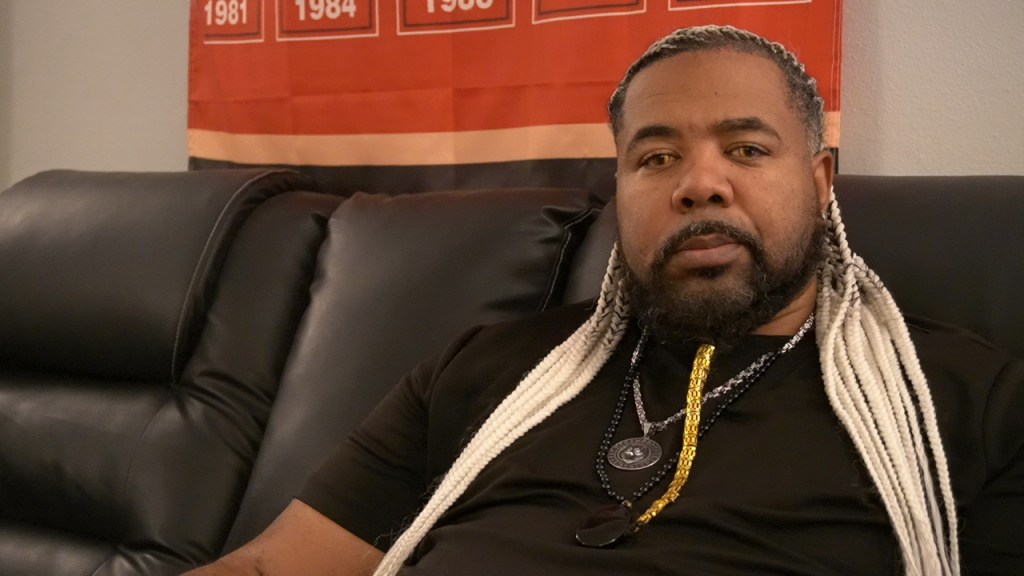
That veteran is Warren Sanders. Although Sanders is not a diver, his experience echoes the resilience portrayed in those films. Years after his military service, complications from an injury sustained while serving ultimately led to the loss of his leg. During the COVID-19 pandemic, Sanders was diagnosed with the virus. Amid that health crisis, his leg had to be amputated while he was attending his first year in college, forcing him to confront a medical emergency and a major life transition at the same time.
Adjusting to life with one leg presented a profound physical and emotional setback, but Sanders refused to let it define or limit his future. After recovering from his injuries and beginning to navigate his new reality, he set a clear first goal: to invent a new type of prosthetic designed to better serve amputees. His determination to transform personal loss into innovation places his story within a broader narrative of veterans who channel hardship into efforts that may one day improve the lives of others. Veterans-in-community-colleges
According to a study by Community College Daily, veterans with disabilities are more heavily represented in public institutions (67%) and in community colleges and associate-degree programs than in private or selective four-year universities, a pattern that the study attributes in part to closer proximity to VA medical centers, lower costs, and localized disability-support services (Vetsedsuccess.org).
Sanders also faced challenges with the Veterans Administration while attempting to change degree programs. To make the switch, he had to demonstrate that he could withstand lifting and standing for certain periods of time before his doctors could give the VA approval. This requirement added another obstacle as he worked to begin a new transition.
The VA (Veterans Administration), through VA.gov, requires disabled veterans applying for job positions or making career decisions to undergo medical evaluations to ensure that the work will not compromise or worsen their disabilities. Sanders said the VA set him back for quite some time before he was able to make a new career transition into a degree field he had once been told he could never work in.
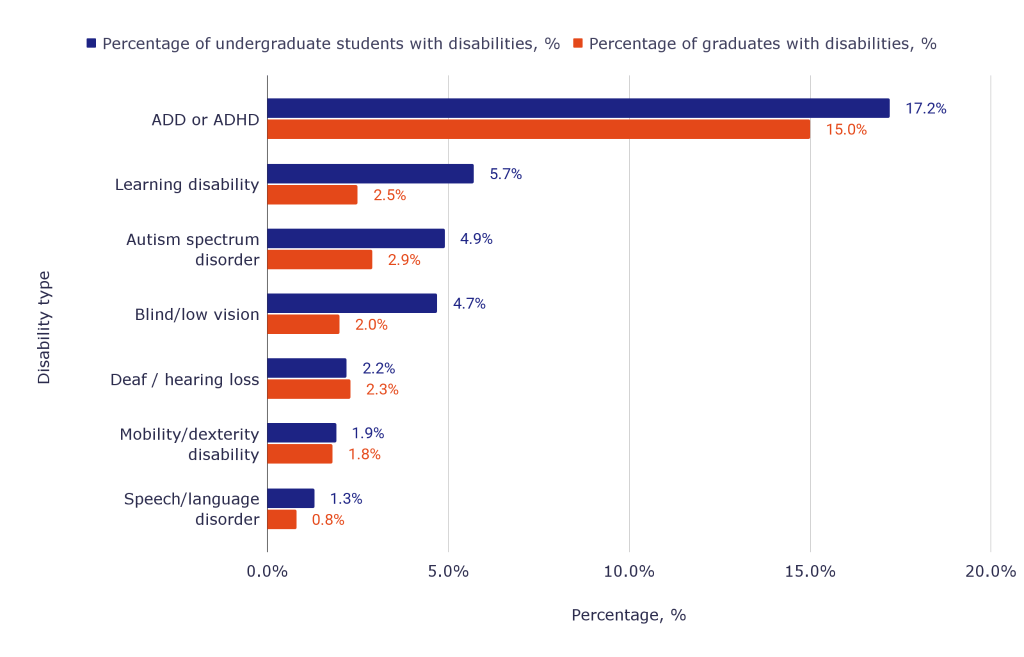
“Approximately 20.5% of undergraduate students in the U.S. had a disability in 2020, meaning roughly one in five undergraduates is part of the disabled student population, representing approximately 3.3 million undergraduate students nationwide, based on applying this rate to 2020 federal enrollment data.” (Essayshark.com, 2026).
According to a study with journal-veterans-studies.org, While visible physical disabilities—such as limb loss and the use of prosthetics—frequently receive attention in public narratives, the vast majority of student veteran disabilities are non-apparent (invisible), including PTSD, traumatic brain injury (TBI), hearing loss, and chronic pain. Studies note that only about 12% to 30% of returning veterans experience service-related physical/prosthetic or major visible injuries, while invisible conditions are much more prevalent.
SOURCES:
EssayShark.com. (2026). “Disability representation declines at advanced levels, with 10.7% of postbaccalaureate students reporting a disability in 2020, roughly half the undergraduate rate.”
Veterans Education Success. (2026). Impact of disability on first-time student veterans’ persistence and attainment. VetsEdSuccess.org.
EssayShark.com. (2026). “Bachelor’s degree attainment among adults ages 25 to 35 with disabilities increased from 9.8% in 2008 to 22.2% in 2023 but remains far below the 42.6% attainment rate among those without disabilities.”
Cohen, T. (2018). Student veterans with invisible disabilities: Accommodation-seeking in higher education. https://journal-veterans-studies.org.


Leave a Reply